

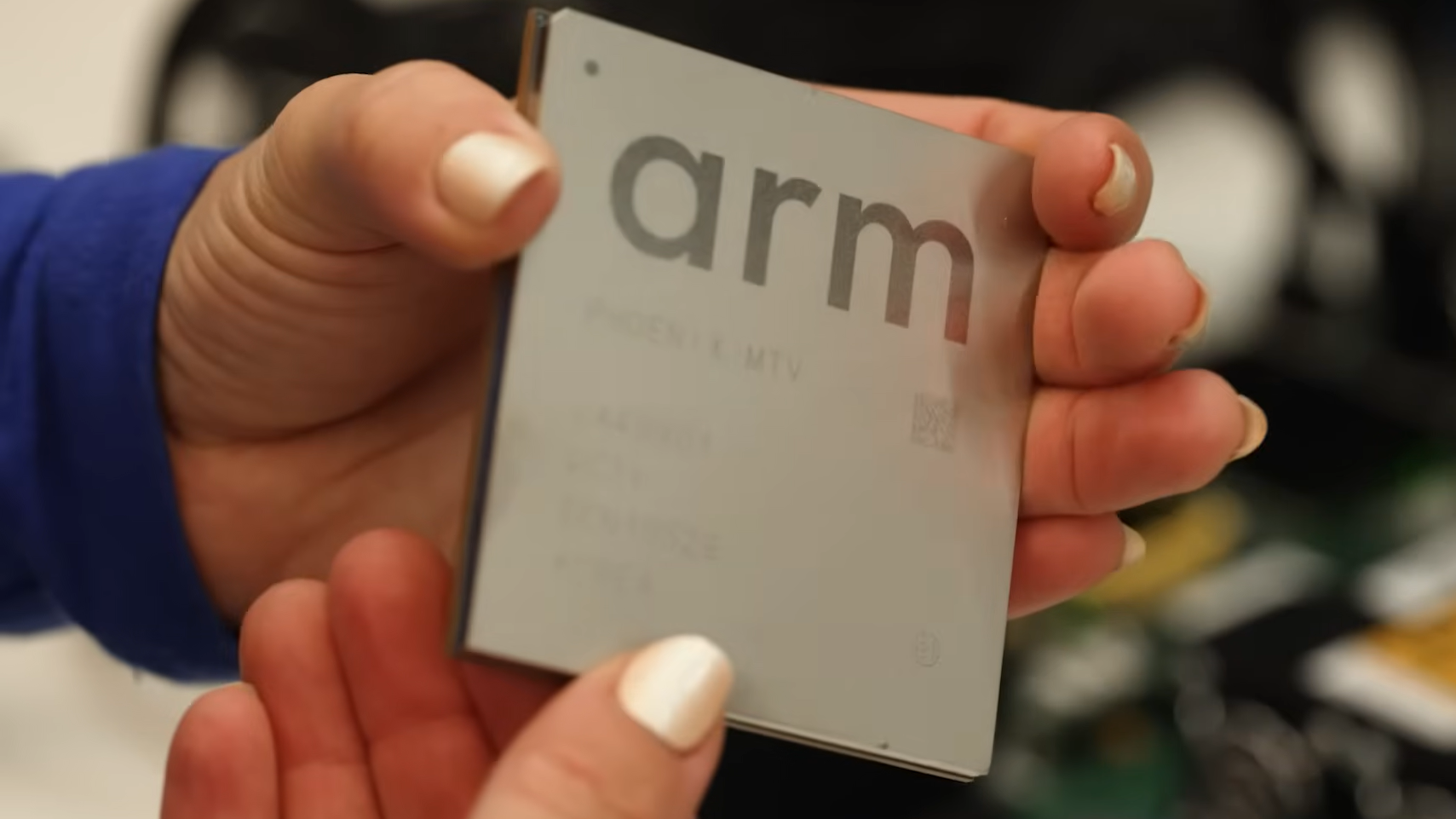
The UK-based architecture firm has transitioned into a physical chipmaker, debuting a specialized AGI CPU that Meta claims is a "drop-in replacement" for Intel and AMD processors, promising twice the performance per watt in high-density data centers.
Inside a secure laboratory in Austin, Texas, engineers are monitoring the thermal output of a 3nm silicon wafer that represents a fundamental shift in the global semiconductor hierarchy. This is the Arm AGI, the first physical central processing unit (CPU) manufactured by a company that previously existed only as a provider of blueprints. By moving from licensing architectural designs to producing finished hardware, the firm is directly challenging its own long-term partners in a trillion-dollar market. (Baton Pass: trillion-dollar market)
This trillion-dollar market is currently the battleground for "agentic AI," where software agents execute complex tasks independently. While graphics processing units (GPUs) handle heavy training, the CPU remains the primary engine for execution. As AI models spawn thousands of autonomous agents, the industry has hit a bottleneck in traditional x86 power consumption. (Baton Pass: power consumption)
Extreme power consumption has turned electricity into what Meta engineers call "liquid gold." To combat rising costs, Meta has signed on as the primary debut customer for Arm’s physical silicon. The social media giant intends to use the AGI chip to diversify its supply chain and reduce the massive energy footprint of its 30 global data centers. (Baton Pass: data centers)
Future data centers scheduled for construction in 2029 will require a radical departure from the power profiles of legacy Intel and AMD chips. Arm claims its new architecture delivers twice the performance per watt compared to standard x86 server racks. This efficiency is achieved by stripping away the "legacy burden" of old software support, focusing exclusively on the mathematical requirements of modern artificial intelligence. (Baton Pass: artificial intelligence)
Artificial intelligence infrastructure spending at Meta alone is projected to reach $135 billion by 2026. For Arm, capturing even five percent of this capital expenditure would represent a significant revenue surge over its traditional royalty model. With silicon already in customers' hands and production scheduled for late 2026, the firm is building the hardware runway even as its first orders take flight.
The Evidence Vault
Discussion