


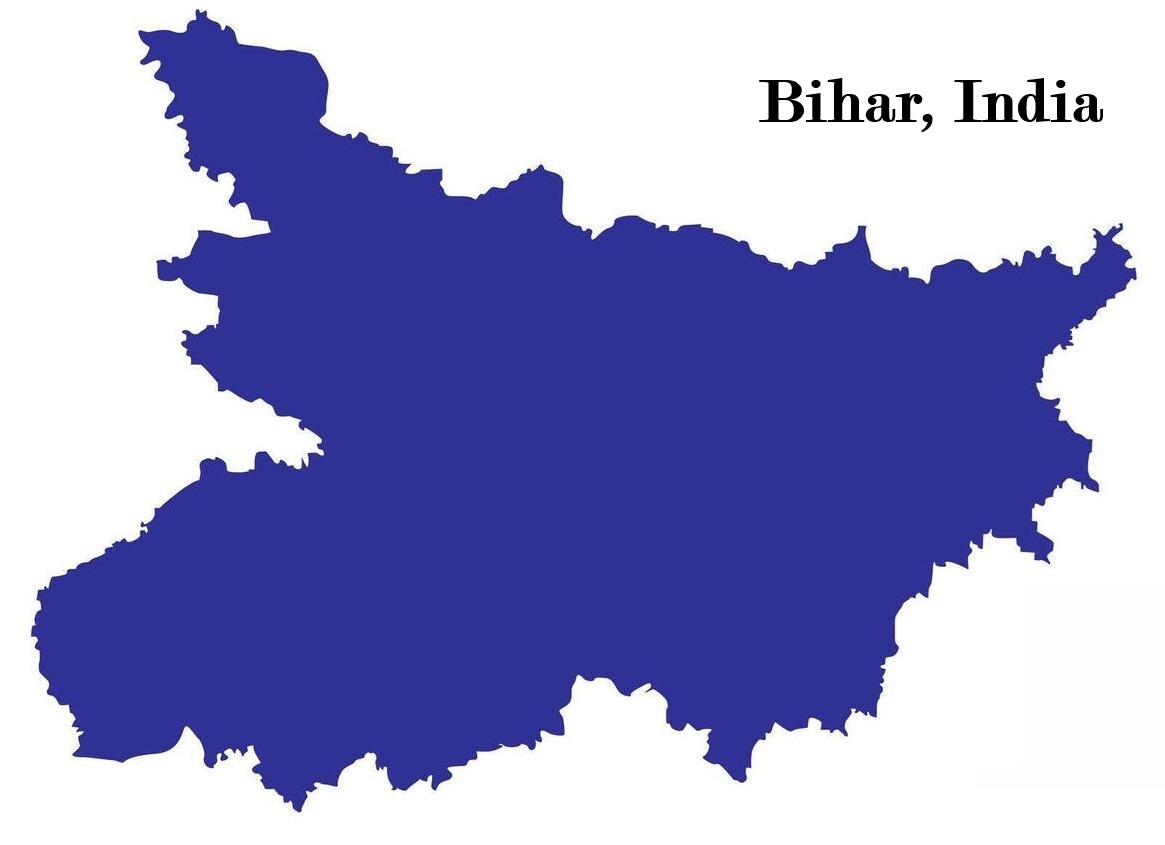
For decades, Bihar was defined by the acronym ‘BIMARU’—a term synonymous with economic stagnation and mass migration. But as we head into 2026, a new narrative is emerging. It’s a story of reverse migration, the world’s largest women-led business collective, and a decentralized economic model that mirrors the success of Germany’s industrial heartland.
The "Global Farmer" of Bihar
The shift in Bihar isn’t just visible in city offices; it’s happening in the fields. A viral video recently captured a makhana farmer discussing international trade tariffs and US policy with the Leader of the Opposition. This isn't an anomaly—it’s a symptom of a state that is finally connecting its deep-rooted agricultural expertise with global markets.
The Rise of Reverse Migration
Historically, Bihar’s greatest export has been its talent. With an annual remittance of ₹2 lakh crore, the state has built the infrastructure of almost every other Indian metro. However, the tide is turning.
IIT graduates are abandoning high-paying corporate roles in Bangalore to solve local problems. Startups like DeHaat (valued at ₹3,000 cr), Hanuman Care (disrupting the healthcare space), and RodBez (revolutionizing rural transport) are proving that Bihar is the new frontier for high-impact entrepreneurship.
Jeevika: 1.5 Crore Women Leading the Way
While global economists look at Silicon Valley, they should be looking at Bihar’s villages. Jeevika, a self-help organization, boasts a membership of 1.5 crore women. This is larger than the entire population of several European nations. These women are moving beyond micro-credit into full-scale manufacturing, from dairy and poultry to the global export of branded makhana and handicrafts.
The "Mittelstand" Model: Decentralized Growth
Unlike states that rely on a single "Superstar City" (like Karnataka’s reliance on Bangalore), Bihar is adopting a decentralized model. Half of the state’s funded startups are located outside the capital city of Patna.
This mirrors the German Mittelstand—a network of highly specialized, medium-sized businesses spread across small towns. By focusing on clusters in Muzaffarpur, Darbhanga, and Gaya, Bihar is ensuring that economic growth is resilient and inclusive.
The Road to a Trillion-Dollar Economy
The numbers tell a compelling story:
90% of India’s Makhana and 70% of its Litchi come from Bihar.
₹70,000 crore has been invested in rural roads over the last decade.
20% Projected GDP growth, making it one of India’s fastest-growing states.
The state government has set an ambitious target: a $1 trillion economy by 2047. To support this, they offer interest-free seed grants of up to ₹10 lakhs and a five-year "no-inspection" holiday for new founders.
The Challenges Ahead
The "Final Boss" for Bihar remains its low per-capita income and educational dropout rates. While the state produces the nation’s top bureaucrats, it must now strive to provide basic stability for the 40% of students who drop out before Class 10. Furthermore, the banking sector must begin reinvesting local savings back into Bihar’s own entrepreneurs rather than diverting funds to more industrialized states.
Conclusion
Bihar is no longer waiting for a miracle; it is building one. By leveraging its "Hidden Advantages" in agriculture and its vast human capital, the state is transforming from a labor exporter into a solution provider. The "trillion-dollar machine" has started, and for the first time in decades, the youth of Bihar are choosing to stay and build their future at home.
Discussion