

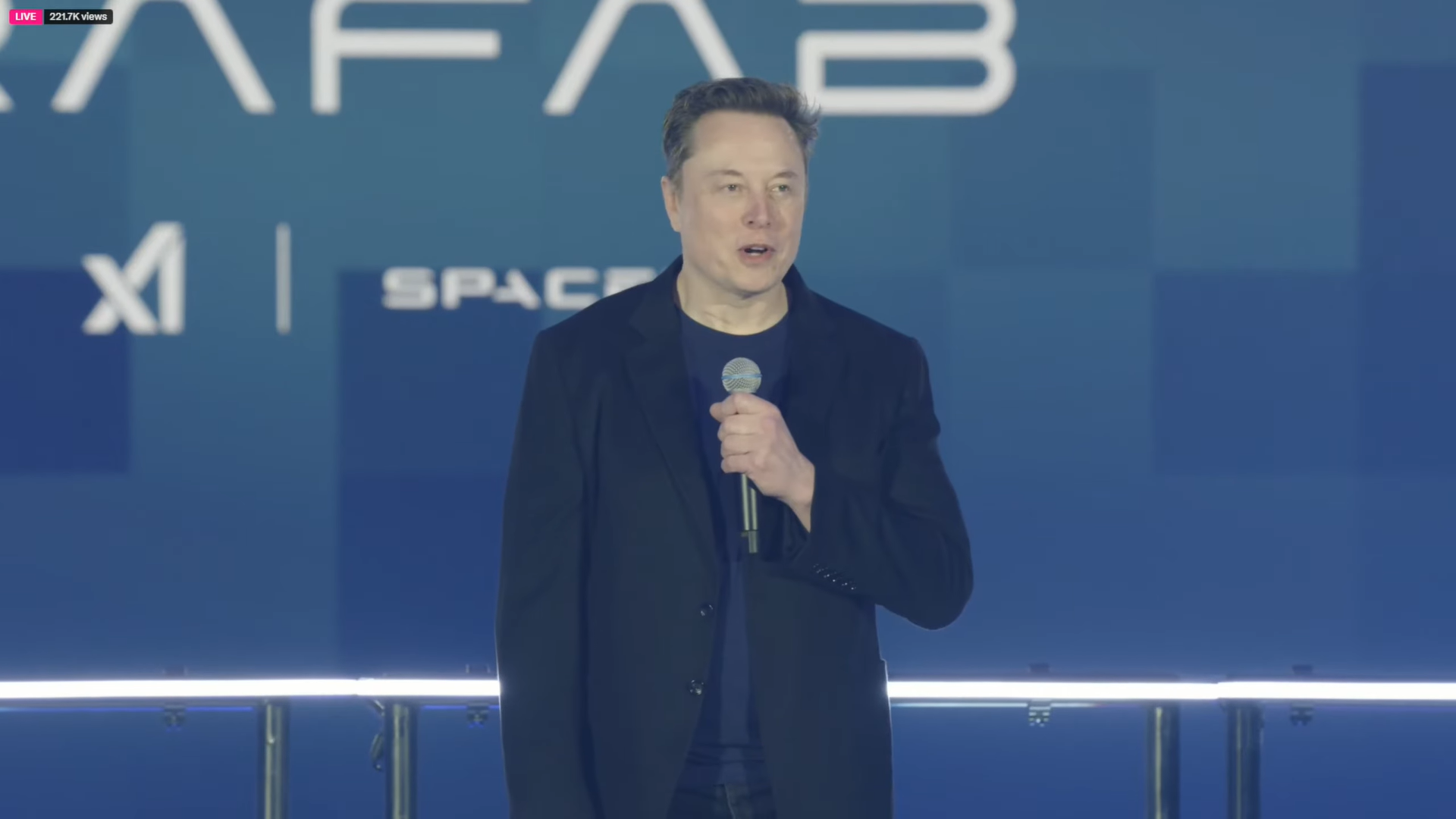
A massive shift in industrial strategy is underway in Austin, Texas, where Elon Musk has proposed a $25 billion project named Terafab. This initiative aims to directly challenge the current market dominance held by the Nvidia-TSMC partnership, which has created a persistent bottleneck in the global AI economy.
This economic bottleneck stems from the industry's current reliance on separate entities for design and manufacturing. Terafab seeks to dissolve these boundaries by bringing chip design, wafer fabrication, and packaging under one roof through a strategic collaboration between Tesla, SpaceX, and xAI.
These three companies will work toward a staggering headline goal of one terawatt of compute power. Achieving such a scale—equivalent to the energy consumption of a medium-sized country—requires a radical departure from traditional terrestrial infrastructure.
To support this terrestrial infrastructure, SpaceX has filed plans to deploy one million data center satellites in orbit. These orbital facilities will utilize the cold vacuum of space for cooling and solar energy for power, potentially bypassing the environmental and energy limits of Earth-bound data centers.
While these data centers face immense technical hurdles, the strategic shift is already impacting market sentiment. If Musk manages even partial success in building internal foundries, the historical leverage held by incumbent chipmakers will begin to erode.
The Evidence Vault
Primary Source: Terafab Project Announcement and SpaceX Satellite Filing
Visual Verification: Images of the Austin facility site verified via Metadata and Satellite Imagery.
Link of Record: All core claims in this dossier are anchored to the primary evidence listed below.
Transparency Statement:
"This article was produced with AI assistance for structuring and forensic auditing, and was reviewed under the Mool Post Editorial Operating System (EOS 2.9). Final authority and sign-off by Sudhi Sachdev."
[Correction Policy] | [Shadow Narrative: The AI Hardware Wars]

Discussion