

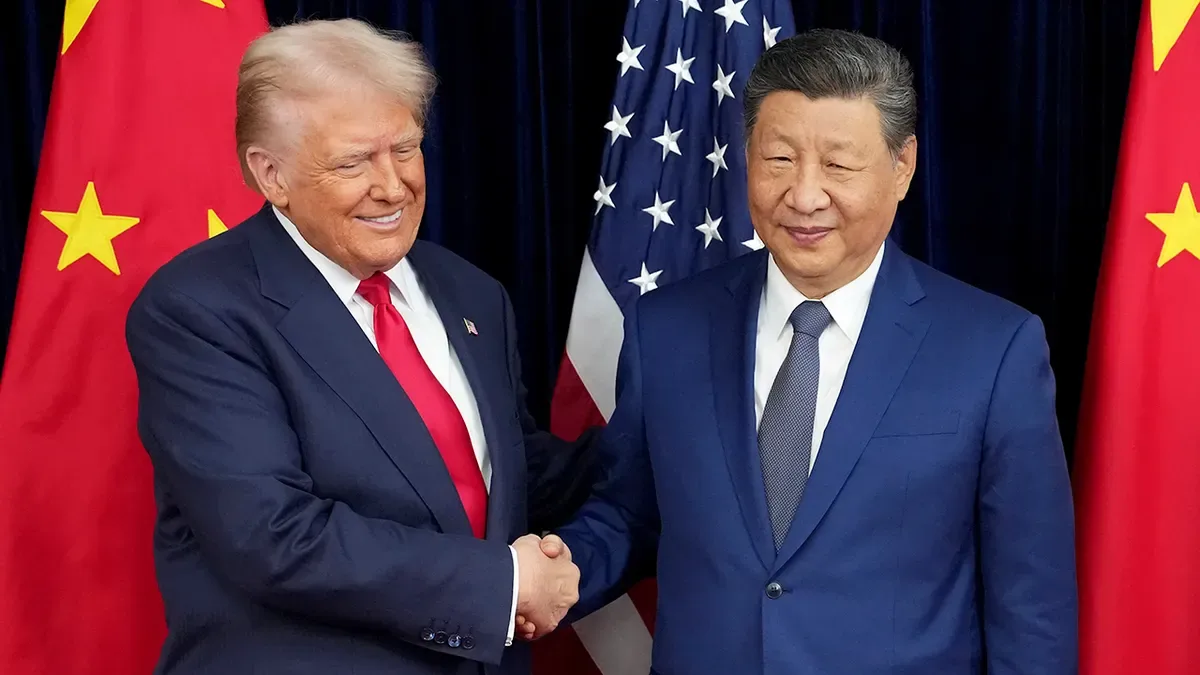
Donald Trump lands in Beijing on May 14, 2026, to encounter Xi Jinping after a lengthy interruption precipitated by Middle East turbulence. This summit stands as the first US presidential visit to China in nearly ten years.
Now both leaders face heavy domestic strain, and Trump faces legal fights over his trade policies in Washington and elsewhere. He seeks massive Chinese purchases of American goods to bolster his standing before the upcoming midterm elections later this year.
But his focus on deals masks deeper political risks. Tariffs reached 145% during the trade war and caused extreme economic pressure on both nations as they struggled for global market share.
Now both powers want to stabilize ties through a formal deal involving major purchases and market access for foreign firms. China demands relief from tech bans.
And Trump pushes for firm buying commitments to support American manufacturing and agriculture across the nation to secure his voter base. Taiwan anchors a volatile point of friction as Trump reveals ambivalence toward the strategic island and its vital semiconductor industry.
This triggers concern over global chip supplies and critical trade routes in the region that sustain the modern tech sector. Beijing urges the US to cut ties.
So, the two powers must manage their differences without a direct collision in the Pacific or the South China Sea. Xi Jinping looks to project China as a stable power in contrast to US volatility during this period of global transition.
Analysts reveal the meeting optics weigh heavily on officials in both capitals as they navigate a hostile international environment. They must move beyond superficial diplomacy to establish a floor on the current tensions.
Experts warn against a strategic retreat. Yet the world watches.

Discussion