


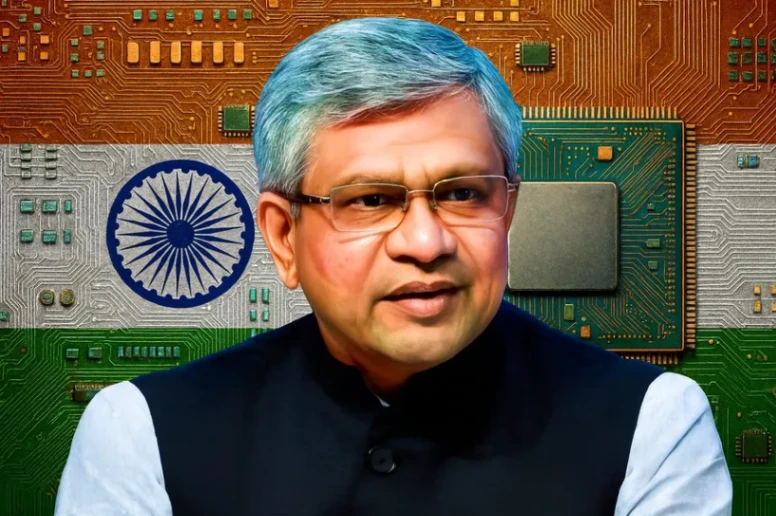
India has officially launched ten major semiconductor projects, shifting from
zero to a ₹1.52 lakh crore ecosystem in just three years. This move reduces
strategic import dependence while creating high-skill jobs. Proof lies in the
approved commercial production timelines of Micron and Tata, verified via MeitY
filings.
For decades, the Indian electronics industry relied on a fragile global supply
chain for the silicon chips that power every smartphone and defense system. This
dependency created a strategic vulnerability that the government is now
addressing through a massive ₹1.52 lakh crore incentive plan aimed at commercial
production.
Commercial production kicks off this year with four major firms, including
Micron’s Sanand facility and Tata’s upcoming plant in Assam. These projects
represent a leap from "screwdriver assembly" to sophisticated hardware
manufacturing, capturing a significant portion of the global chip value.
Chip value is not just found in the front-end fabrication but also in back-end
packaging, which accounts for nearly 30% of the total hardware cost. By securing
this layer first, the local ecosystem builds the technical foundation necessary
to graduate into full-scale fabrication next year.
Discussion